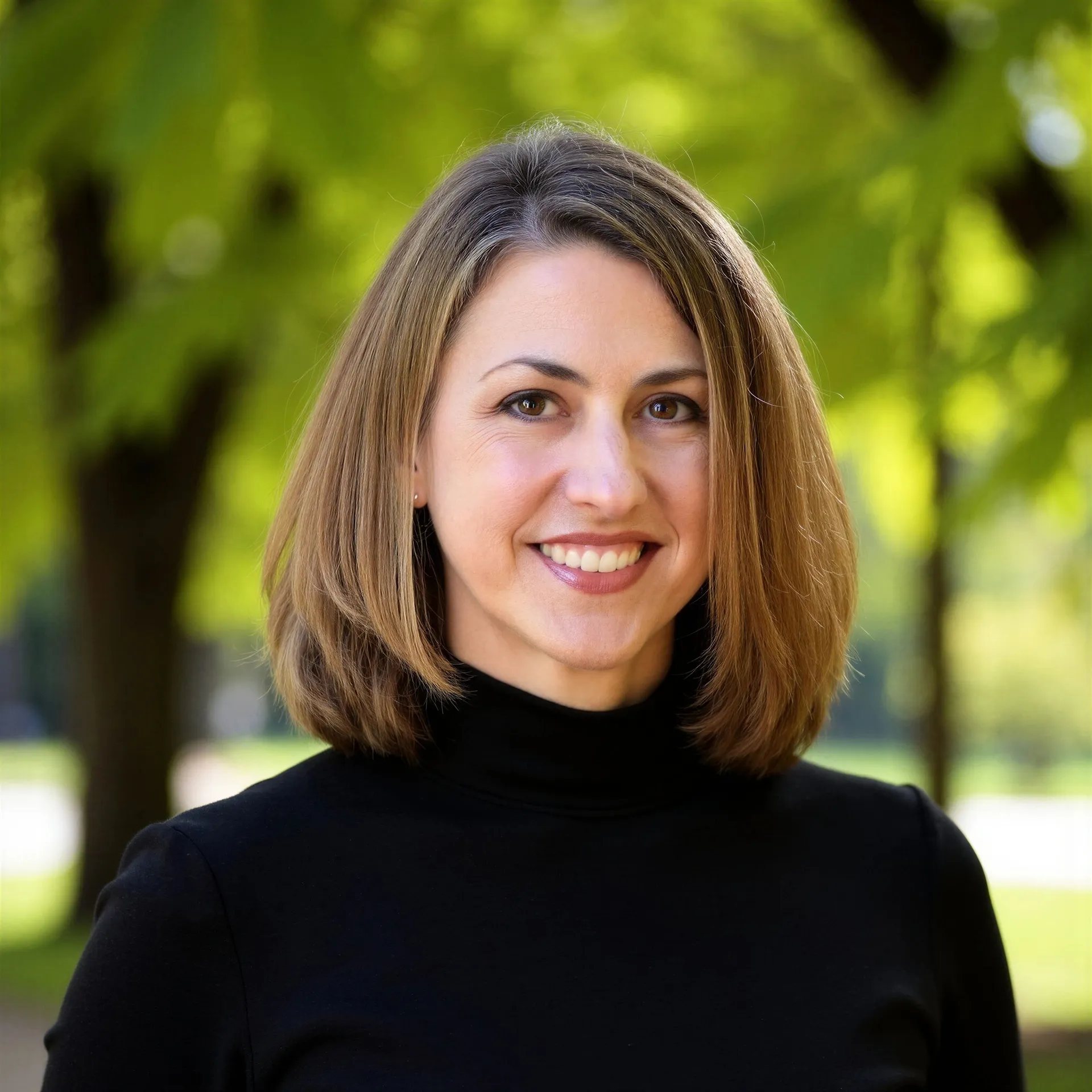
Ellen Buckley has spent more than two decades mastering the machinery of real estate development.
She has led more than $16 billion in projects across multifamily, workforce housing, mixed-use, luxury residential, hospitality, retail, industrial, education, adaptive reuse, and master-planned communities. Her work has crossed the Midwest, Northeast, Southeast United States, and Asia.
That résumé is substantial, but it is not the whole story.
Today, as founder and CEO of Prospera Real Estate Collective, Ellen is advancing a more expansive question: What if the next frontier in real estate is not another asset class, financing structure, or construction technology: but a deeper understanding of people?
Her answer is a framework called Sapient Urbanism.
It is smart, human-centered development grounded in the belief that successful real estate must create value for people, place, and partners. Financial performance matters. So do social connection, environmental responsibility, health, belonging, and long-term community prosperity.
Ellen is not choosing between people and profits - she believes they can co-exist. She is challenging the industry to understand that better outcomes for people can strengthen economic outcomes, too.
From Early Exposure to Development
Ellen’s real estate education began long before graduate school.
At 14, she worked at her grandfather’s law firm in Ohio, helping process real estate records at the local courthouse. She saw early that real estate was not merely about buildings. It was about ownership, opportunity, responsibility, and the legal and financial structures that shape people’s lives.
At 17, she went directly into the field. Ellen became the only woman on an all-male construction crew, framing houses, pouring concrete, and finishing commercial office space. She learned with her hands, on the job site, where plans meet materials, schedules meet weather, and ideas meet execution.
That foundation still informs her work.
Ellen earned her Bachelor of Architecture from the University of Miami, studied historic preservation at the University of Pennsylvania, and completed real estate finance training through the Wharton School. She later led major development initiatives for Terra, managing approximately $6 billion in projects from acquisition through the start of construction.
Her path was technical, rigorous, and hands-on. It was also deeply human.
When Experience Reaches a Ceiling
Ellen founded Prospera after reaching what she describes as a professional ceiling.
She had learned how to execute complex developments. She understood entitlement, acquisition, construction, partnerships, financing, and the countless details required to move a project from concept to completion.
But she wanted the freedom to ask different questions.
How can real estate deliver the value it should for people? What can neuroscience teach developers about the places they create? How can environmental psychology inform design? How can a project support not only financial returns but also health, connection, dignity, and opportunity?
Prospera became the platform for that inquiry.
The firm’s work combines experience, empathy, execution, and excellence with a pragmatic development process. Its projects are designed to create durable, useful, beautiful places while bringing people and profits together.
That is not a retreat from the fundamentals of development. It is a sharper application of them.
Sapient Urbanism: Build for the Brain, the Body, and the Block (e.g. Daily Life)
Ellen is very clear:
“The next frontier in real estate is really understanding people.”
Developers who understand human beings better can create better-performing real estate.
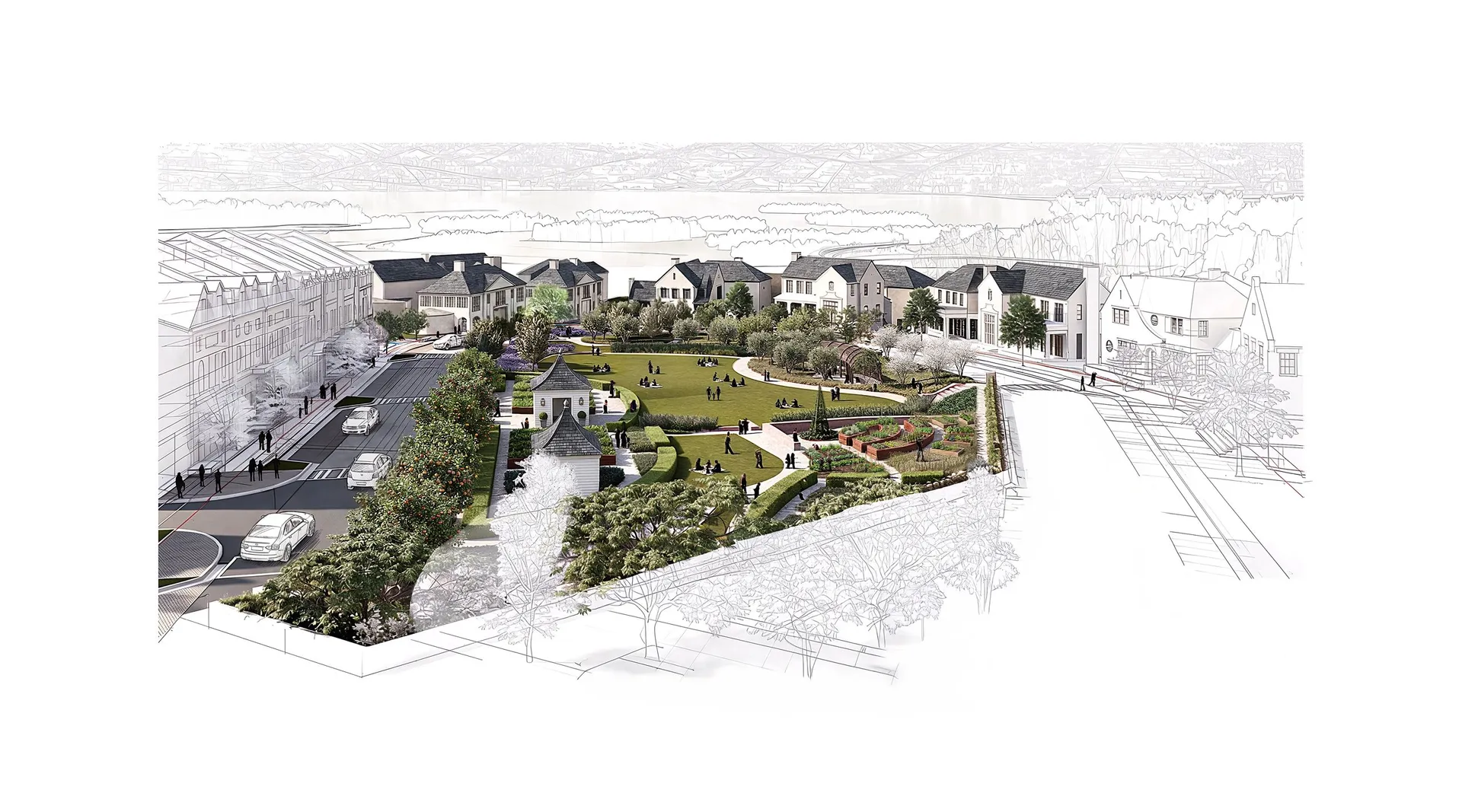
Sapient Urbanism draws from neuroscience, human behavior, and the realities of daily life. It considers how places influence stress, movement, interaction, safety, wellness, and belonging. It recognizes that community is not a decorative amenity added after the underwriting is complete. Community can be part of the value proposition from day one.
In the conversation, Ellen discussed research and insights related to loneliness and the brain, including the idea that extended periods without social interaction can produce effects comparable to hunger. She presented this as a powerful lens for understanding human needs: not as a settled medical claim or a universal threshold.
The development implication is clear: isolation has consequences, and connection should be designed into place.
That might mean a thoughtfully located café, a walkable public realm, shared spaces that encourage interaction, intergenerational programming, or partnerships that activate a neighborhood beyond the building envelope.
It also means measuring the Triple Bottom Line with greater precision: economic value, social value, and environmental value working together.
The Neighborhood Is the Research
Ellen does not believe a developer can understand a community from a conference room, a demographic report, or a drive past the site.
For one North Miami project, she stayed overnight in the neighborhood with a woman who had lived there for 40 years and previously served as president of the neighborhood association.
That immersion surfaced details that conventional due diligence might miss.
Ellen learned that residents preferred tea to coffee. She learned where teenagers gathered. She began to see opportunities for retired residents to mentor young people. She considered not only what the project could add, but what existing residents already valued and what relationships could strengthen the community.
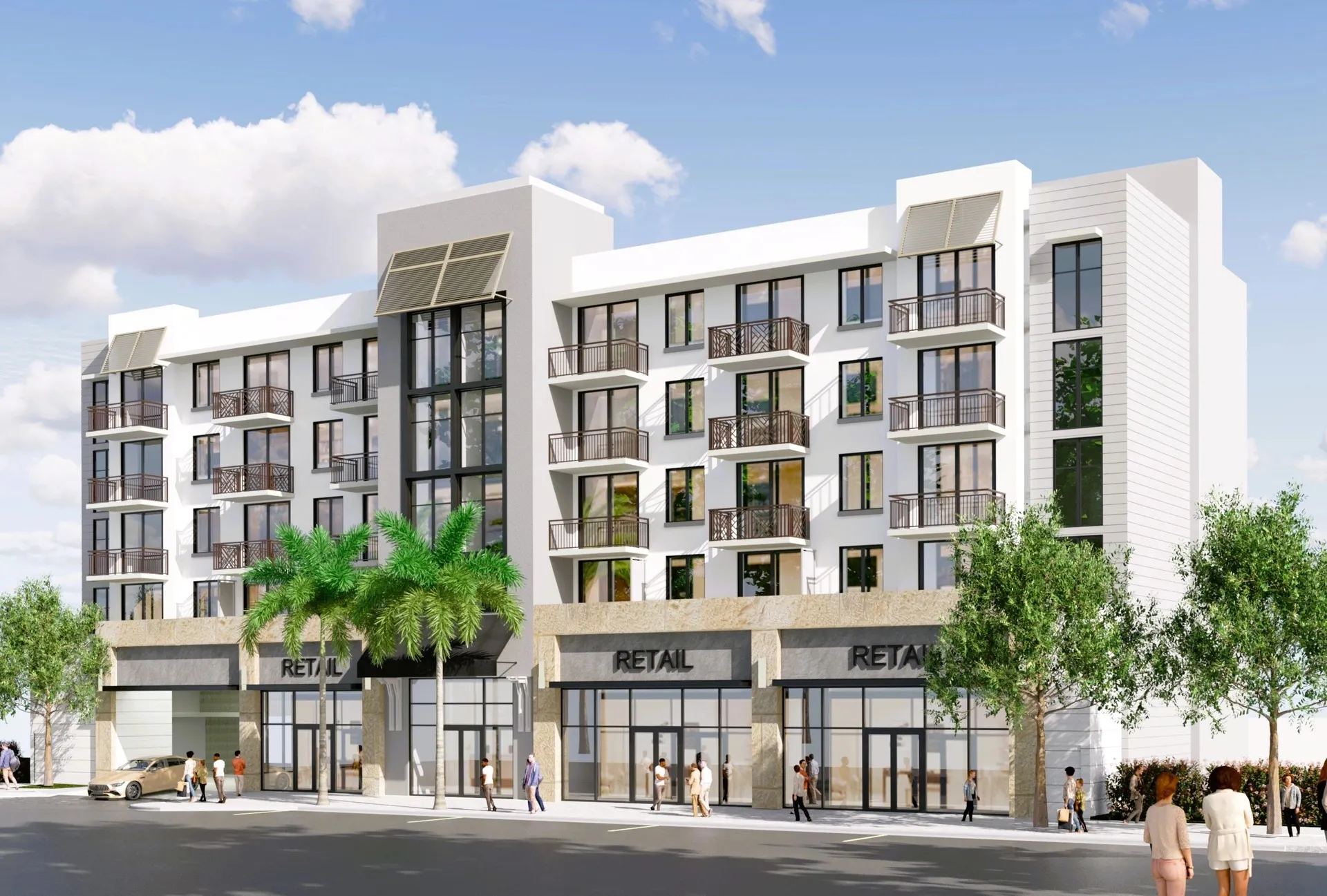
In Coconut Grove, the same approach revealed a straightforward but meaningful gap: there was no breakfast spot. That observation helped shape the idea of including one in the project’s ground-floor retail.
These are not small details. They are signals.
A grocery store may be nearby, but does it sell fresh fruit and fresh meat? A transit stop may appear on a map, but does it connect people to the places they need to go? A public space may look attractive in a rendering, but who uses it: and when?
Ellen’s process is about validating assumptions through what residents see, hear, and experience. It is development grounded in observation, conversation, and respect.
Growth Must Protect the Workforce
Florida’s growth has created enormous opportunity: and intense affordability pressure.
As housing costs rise, the people who make a region function can be pushed farther away from the communities they serve. Teachers, police officers, healthcare workers, service employees, and other essential workers face longer commutes, rising costs, and fewer paths to stability.
Growth that displaces its workforce is not sustainable growth.
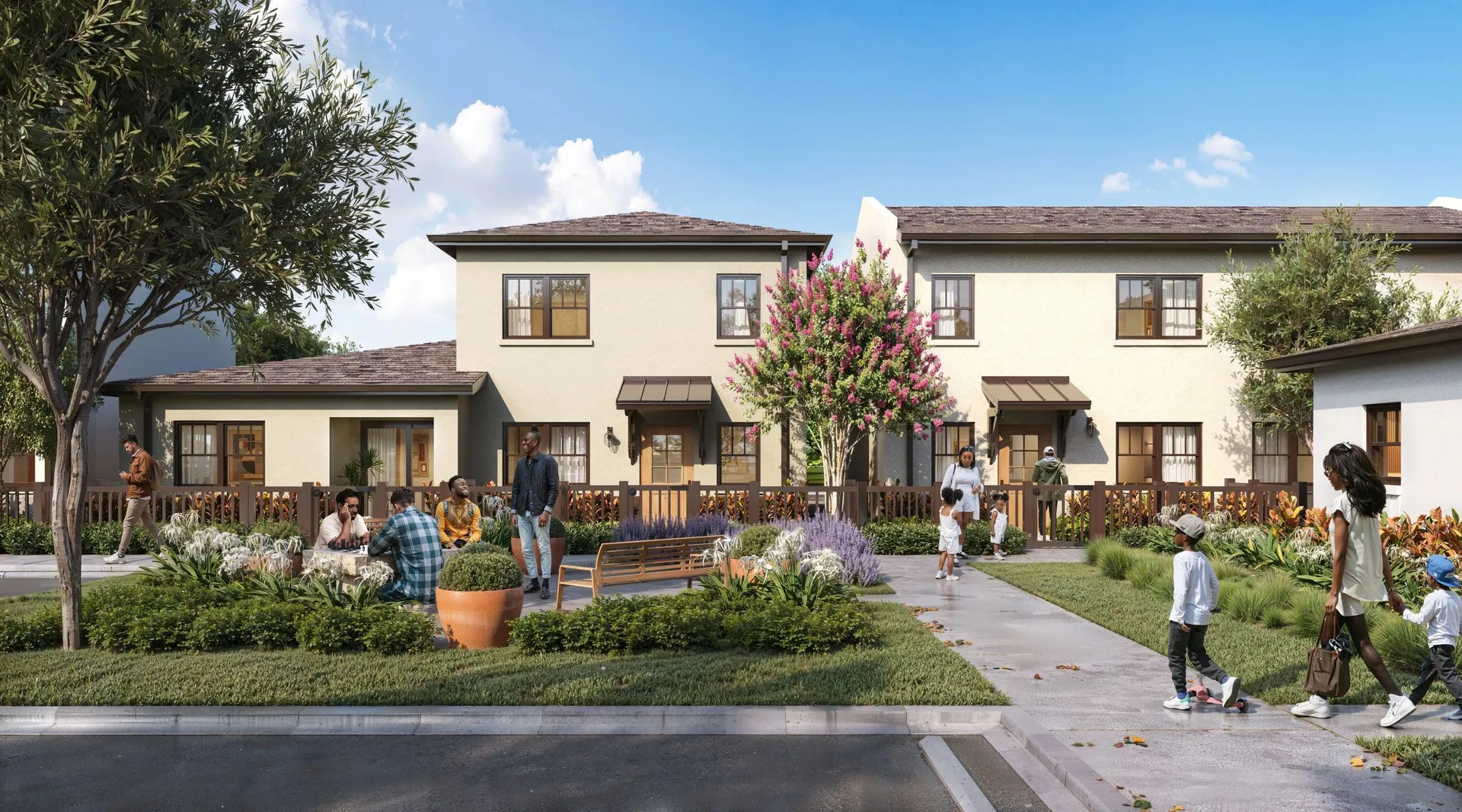
Ellen is advancing a roughly 37-unit workforce homeownership project in partnership with a church, while building relationships with nonprofits, landowners, governments, community development financial institutions, banks, investors, and companies.
The work requires creative structuring. It also requires humanizing the conversation around who we're talking about and designing for.
“This is your daughter’s teacher,” Ellen says in effect. “This is the policeman who patrols our neighborhood.”
That framing changes the dialogue. Workforce housing is no longer abstract. It becomes a question of whether a community can and chooses to retain the people families rely on every day.
An independent Miami-Dade study estimated approximately $1.3 billion in annual workforce turnover costs, including salary, training, and housing-related pressures. The number makes the economic case. The human case was already there.
Prospera’s broader pipeline in Florida and Georgia reflects that same people-first lens, including workforce homeownership, mixed-use urban development, senior living, and the emerging CERES residential platform. The common denominator is not geography or asset class. It is the people the projects are built to serve.
Investing in Women’s Participation
Ellen is also committed to expanding women’s participation in private real estate investing.
Women have the expertise, capital, judgment, and lived experience to influence what gets built and how value is defined. More women as investors, developers, partners, and decision-makers means a stronger range of ideas entering the deal pipeline.
Ellen is generous with her time and expertise - she welcomes conversations with women in the industry and offers mentorship to those navigating development, investment, and entrepreneurship.
For women considering the field, her advice is practical:
- Do not become fixated on being the only woman in the room.
- Get your hands dirty.
- Put yourself in challenging situations where you can learn.
- Know your risk appetite: and test it.
- Keep moving.
That is not permission-seeking advice. It is field-tested direction.
The Sapient Urbanist: A Conversation for the Upcoming Book
Ellen Buckley’s Breaking Ceilings Breaking Ground podcast conversation will become part of our upcoming book: a growing record of women who are changing commercial real estate development through vision, rigor, courage, and execution.
Ellen’s story belongs in that collection because it connects the full development equation. She understands the paperwork and the dirt, the capital stack and the community meeting, the construction schedule and the human nervous system.
Her work asks all of us to raise the standard.
We are not simply developing buildings. We are shaping the conditions in which people live, work, connect, recover, learn, and prosper.
Stay connected to the movement through Breaking Ceilings Breaking Ground, explore Prospera’s work at prosperaco.com, or search for Ellen Buckley on LinkedIn. Ellen can also be reached directly at ellen@prosperaco.com.