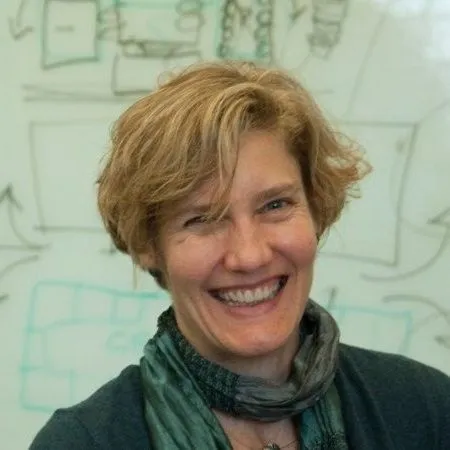
Urban infill gets talked about like a density equation. Kristin Ryan treats it like a community strategy.
At Breaking Ceilings Breaking Ground, that distinction matters. We’re not here for development that simply pencils. We’re here for development that performs for people, neighborhoods, and the long game. That means operational rigor, policy fluency, and the kind of execution that turns community vision into built reality.
In our upcoming Breaking Ceilings | Breaking Ground podcast launching June 15, we sit down with the women who are shifting the power dynamics of Commercial Real Estate (CRE) through pure grit and strategic brilliance. Leading that charge is Kristin Ryan, Partner at barrientosRYAN, a powerhouse in Seattle’s urban infill scene who is showing exactly what people-centered development looks like when the capital stack, the community agenda, and the delivery plan all move in sync.
Meet Kristin Ryan
If you’ve walked through the evolving neighborhoods of Seattle, you’ve seen Kristin’s footprint. Scale doesn’t intimidate her; it sharpens her focus. As a leader in urban redevelopment, Kristin has built a career around people-centered development, and not in the vague, brochure-ready sense. In her hands, it becomes a blueprint for neighborhood vitality, community ownership, and urban infill that actually serves the people already there. As Kristin puts it, "I happen to use real estate as my toolbox, but building community is what I love to do."
She doesn't just build housing; she builds infrastructure for human connection inside the urban fabric. From civic centers and theaters to complex workforce housing, Kristin brings an operational rigor and policy fluency to development that most struggle to balance. She is a vocal advocate for Mandatory Housing Affordability (MHA) and mixed-income financing strategies: mechanics that make infill projects not just feasible, but inclusive and durable. This is systems thinking with steel-toe boots on: understanding the capital stack, the policy stack, and the human stack all at once. As a fee developer and owner's representative, she helps mission-driven groups navigate those mechanics so neighborhood-serving visions can actually move from aspiration to execution.
Kristin's presence on our podcast is a reminder that the most transformative work in our industry is happening at the neighborhood level, where community benefit meets economic feasibility. She isn’t waiting for a seat at the old table. She’s out in the field, proving that urban infill done right can strengthen communities, expand access, and create places built for people instead of ego.
The Tubman Center: Wrapping a Community in Freedom
The crown jewel of this philosophy is the Tubman Center for Health and Freedom in Seattle’s Rainier Beach. This isn’t your standard medical office building. This is a ~22,000 SF, community-owned health hub designed to dismantle the barriers to care for marginalized populations.
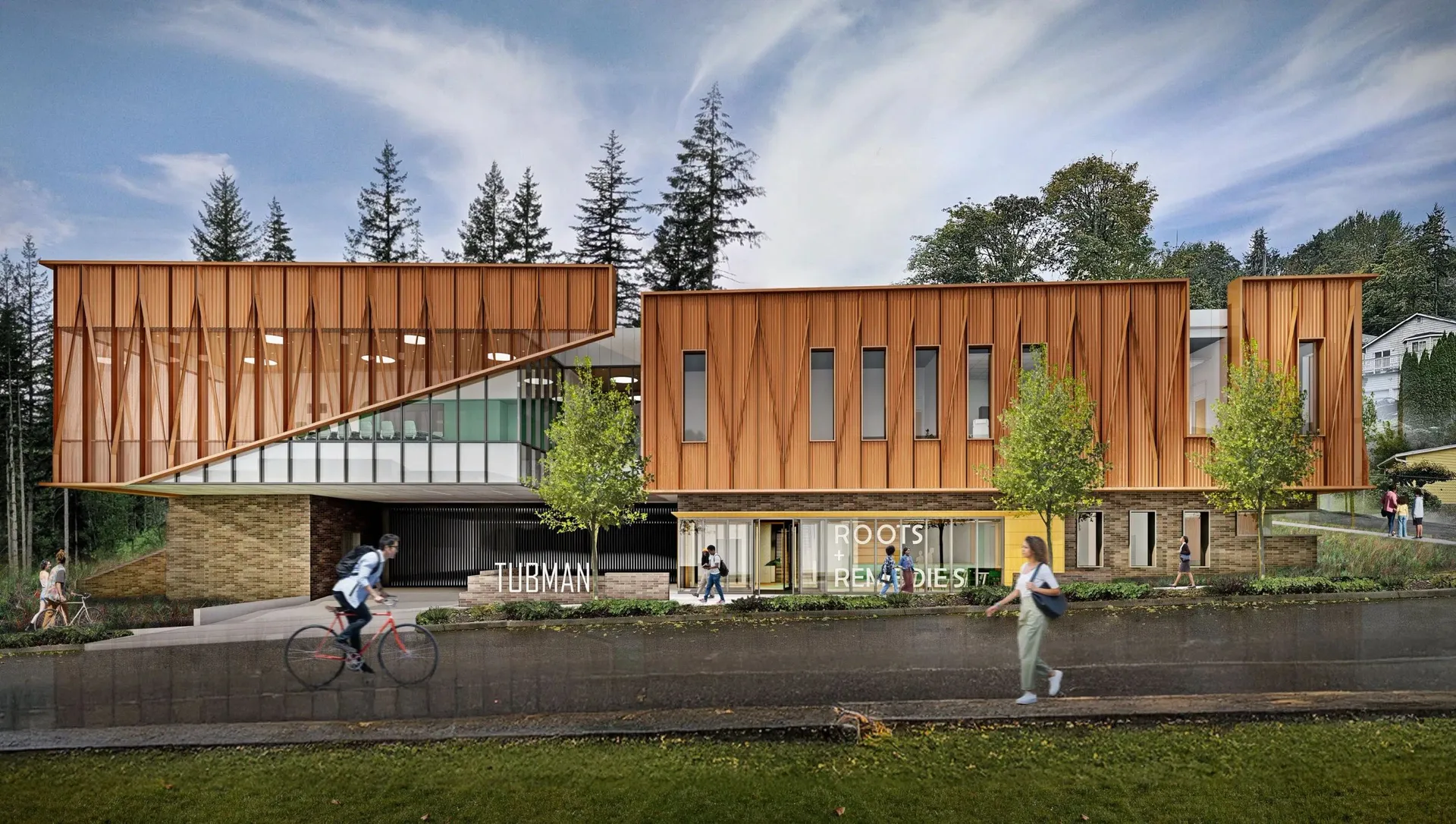
The design itself is a masterclass in symbolic architecture. The building’s facade is inspired by the shawl of Harriet Tubman: a literal "wrap" that protects, embraces, and signifies freedom. It’s a visual narrative that says to the community: You are seen, you are safe, and you own this.
But the real "aha!" moment isn't the aesthetic; it’s the ownership model. By serving as the development project manager, fee developer, and owner's representative, barrientos RYAN helps translate community vision into executable reality. This is proactive community ownership in action. The point is not that Kristin holds the deed; it’s that her technical command of the capital stack, approvals, and delivery process helps the community hold the deed. That is the work: guiding mission-driven clients through the mechanics so they are not at the mercy of shifting market whims or speculative displacement.
Just as important is how the project marked its beginning. Kristin draws a sharp distinction between a standard groundbreaking and the Tubman Center’s Soil Turning ceremony. A groundbreaking is often about optics, dignitaries, and shovels for the camera. Soil Turning goes deeper. It honors land, memory, and the people who will actually use the building. That shift in language is classic Kristin Ryan: development not as performance, but as a community-rooted act that connects capital, culture, and care.
The Nook and the Strategy of Co-Located Community
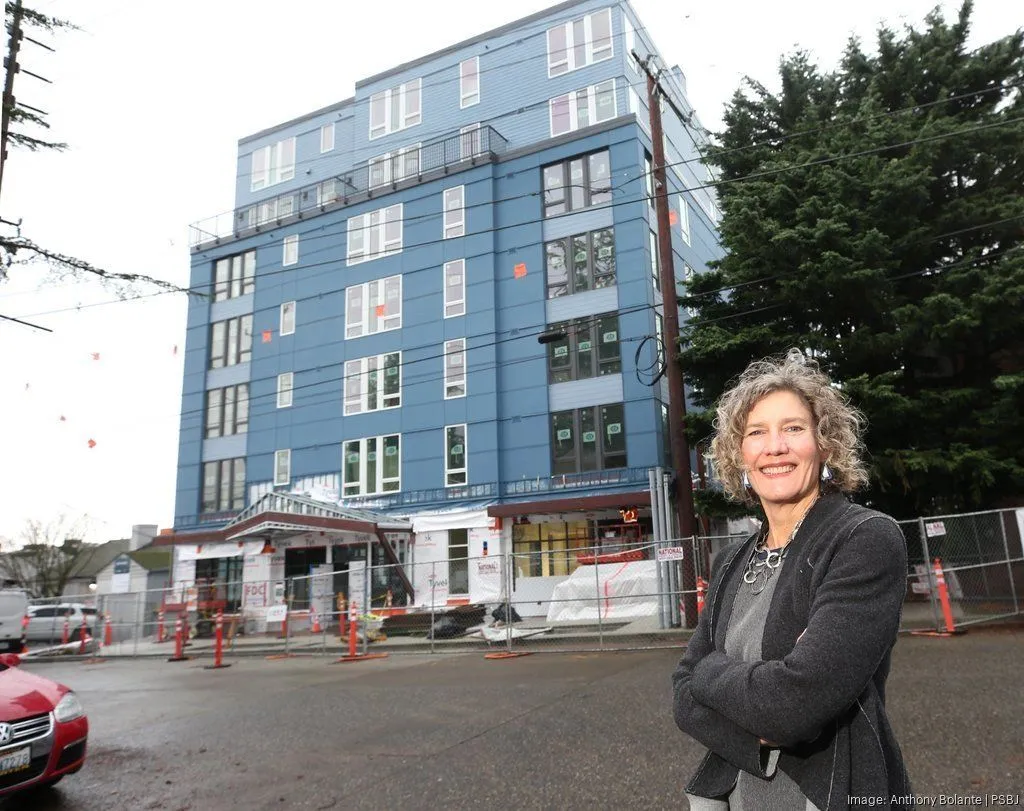
One of Kristin’s sharpest insights comes from The Nook, a project that shows what happens when co-location is treated not as a convenience, but as a deliberate development strategy. This is not about stuffing complementary uses into one address and hoping for magic. It is about intentionally bringing together seniors, childcare, and wellness services to create a resilient, multi-generational community ecosystem.
That mix matters. Seniors gain daily proximity to activity, care, and connection. Families with young children benefit from nearby support and a built-in sense of neighborhood continuity. Wellness services anchor the whole environment with access to care, stability, and everyday touchpoints that help people stay engaged. The result is not just operational efficiency or a clever leasing concept. It is a living support system: one where different generations can overlap, see one another, and strengthen the social fabric through ordinary daily use.
Kristin’s view is strategic and clear-eyed. Real estate can do more than house programs; it can choreograph community resilience. At The Nook, co-located tenants create shared vibrancy by design. The building becomes more than a stack of separate uses. It becomes an ecosystem where care, energy, and belonging circulate organically across generations.
That idea matters far beyond one project. In a field obsessed with square footage and NOI, Kristin is making the stronger case: human connection is not an accidental byproduct of development. When the tenant mix is intentional, it becomes a core strategy for long-term community strength.
When the hard hat comes off...
Kristin isn't just a powerhouse in the office. She also offers the kind of career advice that should be engraved on every young developer’s desk: "Never become too good at something you don't enjoy." It’s a deceptively simple line, but it tracks perfectly with the way she works: intentional, systems-minded, and clear-eyed about where value really gets created.
To get a real sense of the woman behind the "shawl facade," here are a few things you might not know about Kristin:
- The Urban Nomad: She’s known to scout project sites on her bike, believing you can't truly understand a neighborhood's "rhythm" from behind a car windshield.
- Espresso Aficionado: Rumor has it she has a very specific Seattle-local roast that fuels her through those 6:00 AM policy meetings.
- The Mentor: She’s a fierce advocate for junior architects and developers, often spending her "off hours" redlining plans with the next generation.
- Secret Skill: She has an uncanny ability to explain complex financing structures to non-experts without using a single piece of jargon: a true superpower in this industry.
Kristin Ryan isn't just a guest; she’s a visionary who shows us what urban infill can be when it starts with people and ends with lasting neighborhood impact. She reads development like a system, not a slogan, with a command of both the capital stack and the community mechanics that turns big vision into executable strategy. Her mastery shows up not as ownership theater, but as technical excellence in service of people-centered urban infill and community-led outcomes.
From the Mic to the Page: Our Journey
This conversation with Kristin is part of our broader mission at Breaking Ceilings Breaking Ground. We are documenting these stories because they deserve a permanent record.
Our co-founders, Molly McCabe and Jill Ferrari, have spent decades in the trenches of sustainable development and urban redevelopment. They know that while the Breaking Ceilings | Breaking Ground podcast is a megaphone, a book is a legacy. Each episode we record, each innovator we spotlight, is a chapter in our upcoming book that will serve as a tactical guide for the next generation of women developers.
We aren't just talking about the "what." We’re talking about the "how."
- How do you navigate the financing of a community-owned health center?
- How do you integrate inclusive design into a project without tanking the returns?
- How do you maintain zero apologies when you’re the only woman in a room full of mahogany and stale cologne?
The Room is Rebuilt
The old room is crumbling, and frankly, we don't mind the dust. The new room is being built with glass facades that reflect the greenery of our cities, with sustainable materials that respect the planet, and with ownership structures that empower the people who live there.