Bridging Borders and Industrial Parks
Industrial development is no longer a single-purpose equation.
The warehouse, the factory, the logistics hub, and the distribution center do not exist in isolation. They sit inside living communities. People work there, commute there, raise families nearby, and depend on the infrastructure those places create: or fail to create.
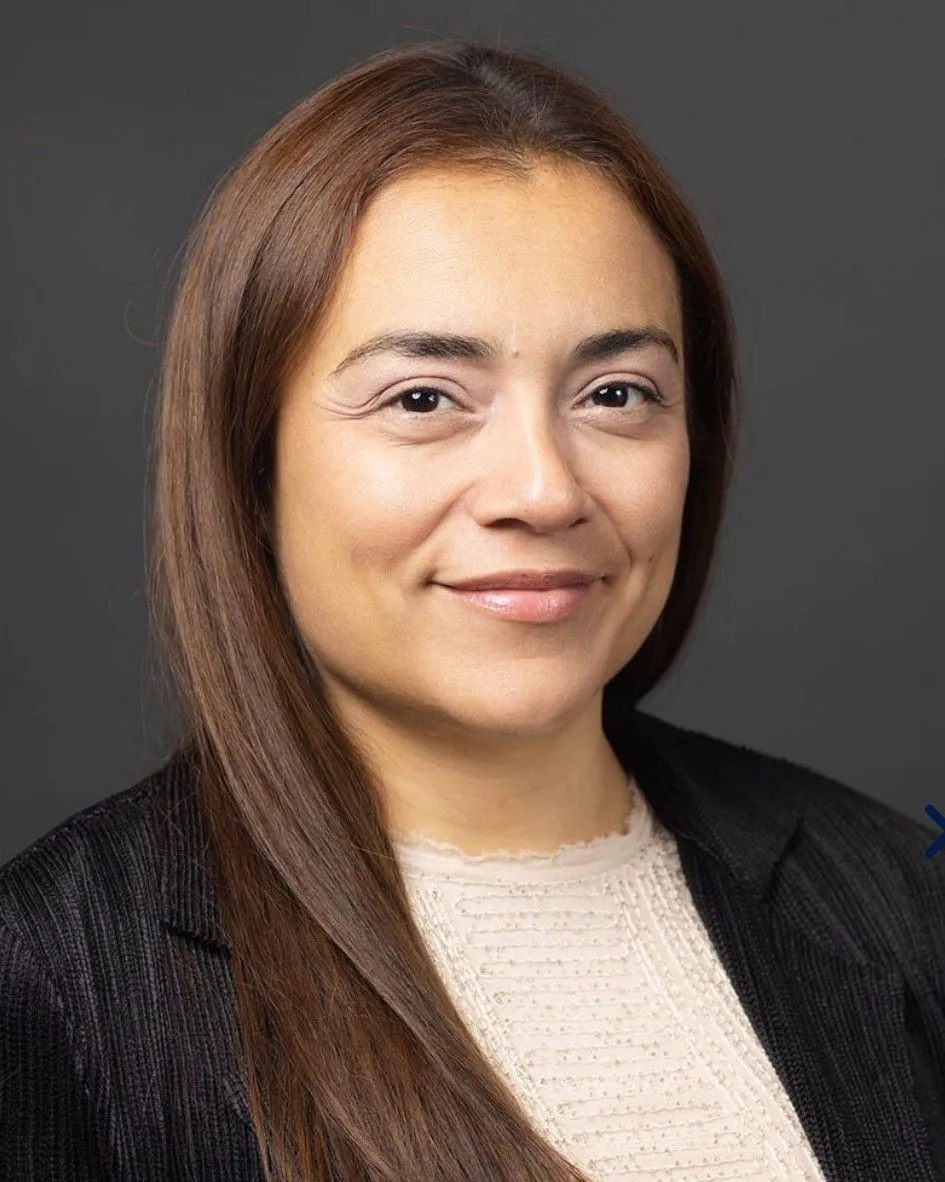
That reality sits at the center of our latest episode of Breaking Ceilings | Breaking Ground, featuring Marisol Chavez Valdes and Fabiola Alvarez Yurcisin.
Their conversation crosses borders, disciplines, and development models. Marisol brings the perspective of industrial and manufacturing development across Mexico. Fabiola brings an urban planning, housing equity, and visual arts lens shaped by work at the intersection of community resilience and the built environment.
Together, they make one point unmistakable:
Industrial sites are becoming communities. Development must rise to meet that responsibility.
Two Names. Multiple Borders. One Powerful Heritage.
The conversation begins with something personal: their names.
In much of Latin America, carrying two last names honors both sides of the family. A person traditionally carries the father's surname and the mother's surname, preserving a visible connection to both lineages.
That tradition becomes especially meaningful in a professional world where women are often expected to adjust, simplify, or erase parts of their identity to fit the room.
Fabiola's name carries an additional layer. Alvarez connects her to her father. Yurcisin reflects her marriage and her migration to the United States. Her name tells a story about heritage, movement, family, and belonging across borders.
It also reflects the complexity of building a life between countries. Fabiola is a dual citizen of Mexico and the United States, an urban planner, a placemaker, and a visual artist. Her career moves fluidly between disciplines because the built environment demands more than one way of seeing.
Marisol points to a generational shift. Her mother's generation often took a husband's last name. Her generation is more likely to retain both names: to honor where they come from while making room for where they are going.
That is not a footnote. It is a development philosophy.
The strongest places do not erase history. They build forward from it.
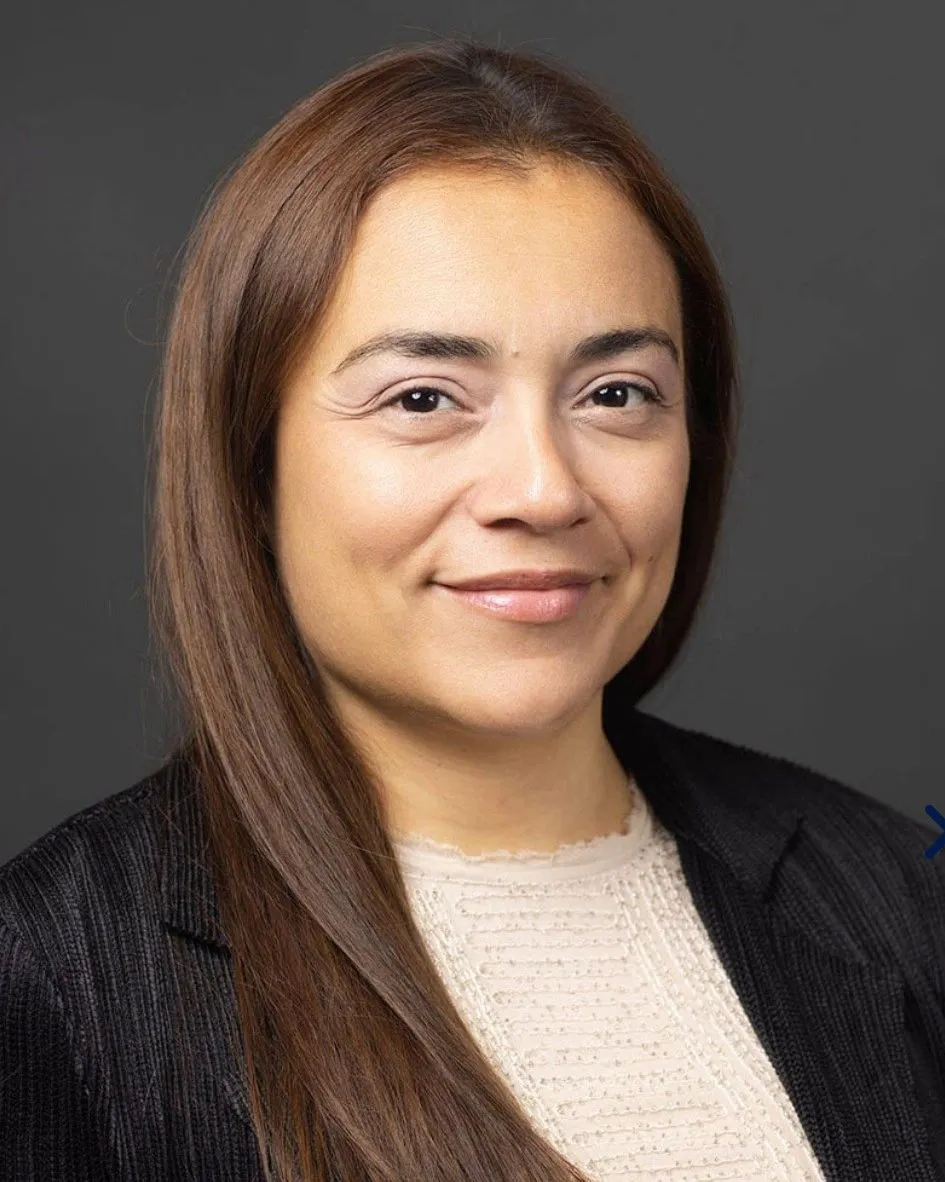
Marisol Chavez Valdes: The Industrial Placemaking Strategist
Marisol works where capital, logistics, manufacturing, and urban design meet.
As Director of Portfolio Real Estate Mexico at Deltack, she specializes in industrial and manufacturing development across Mexico, including the nearshoring demand reshaping the country's industrial corridors.
Her central argument is direct: industrial parks must be accessible and connected to the communities where employees live.
That sounds practical because it is. But practical does not mean ordinary.
For decades, industrial sites were often designed as destinations for trucks and production rather than places for people. The property line became a barrier. The fence marked the end of the developer's responsibility.
Marisol's work challenges that approach.
When developing industrial sites from the ground up, her projects have included land donated to the municipality for community use. But the more important question comes next: What should that land become?
The answer cannot come from a generic checklist. It must come from conversations with the surrounding community.
In one Tijuana example, the development team placed donated green space outside the industrial fence so neighbors could actually access it. The project added a soccer court, benches, shade, sidewalks, illumination, landscaping, and pedestrian bridges.
That decision was not required by law.
It was required by a broader understanding of value.
In a dense border city where heat, congestion, and infrastructure pressure shape everyday life, a park is not merely an amenity. It is social infrastructure. It creates visibility, access, comfort, and connection. It gives the surrounding community a reason to experience the development as part of the neighborhood rather than an enclave beside it.
The project also raised expectations for future development. Local authorities saw what could be requested. The community saw what could be delivered.
That is how one project changes the development standard for an entire zone.
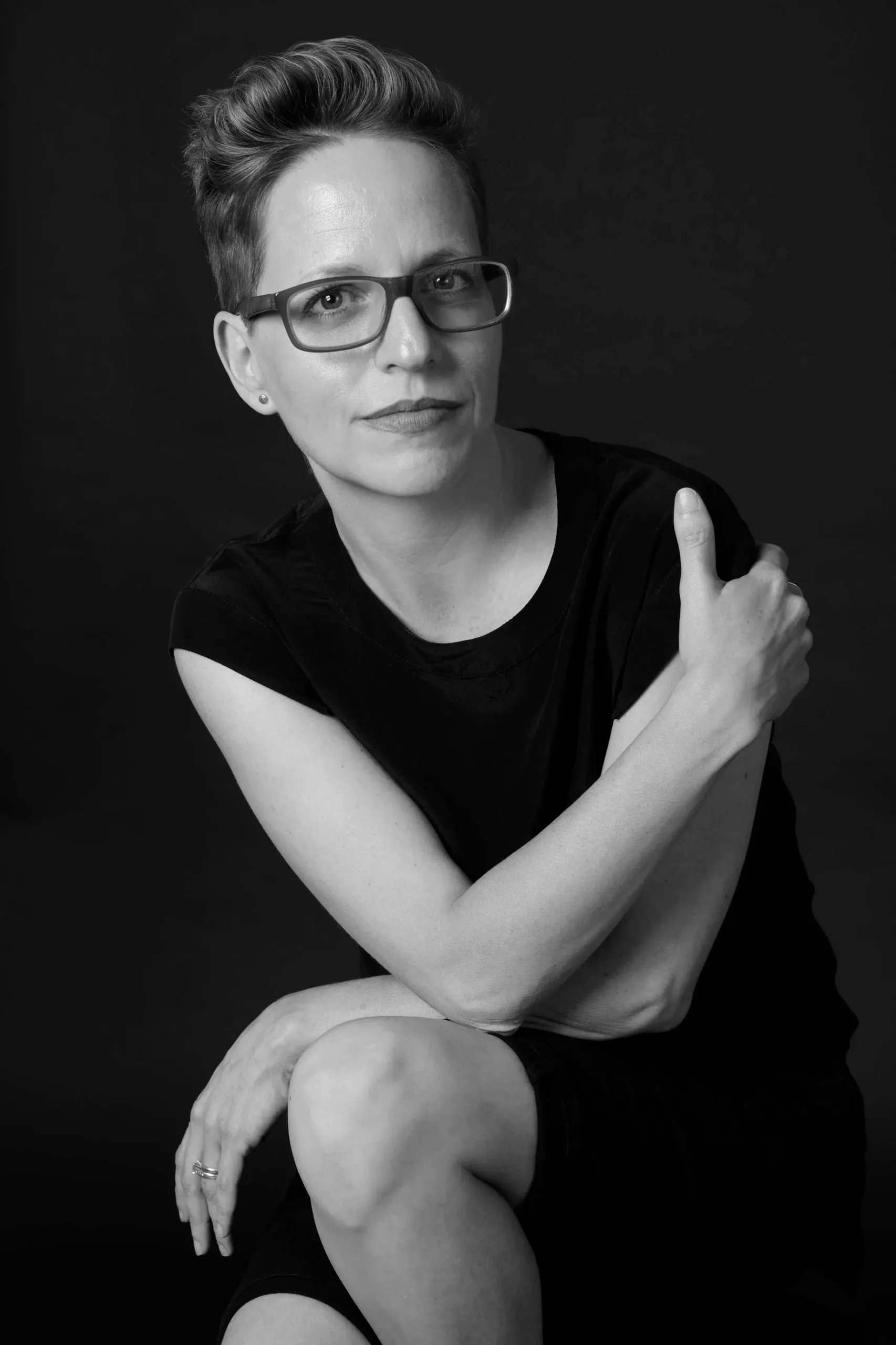
Fabiola Alvarez Yurcisin: The Equity Cartographer
Fabiola's work maps the connections that conventional development models often separate: housing and transportation, art and advocacy, investment and inclusion, industrial growth and daily life.
As Technical Assistance Program Director at the Urban Land Institute's Terwilliger Center for Housing, she works on efforts designed to help communities accelerate housing production and improve housing opportunity.
Her background is deliberately interdisciplinary. She holds a masters degree in urban and regional planning from Georgetown University, with a focus on housing and transit-oriented development. She is also a visual artist whose work engages immigration and environmental activism.
That combination matters.
Art trains the eye to notice what data can miss. Planning trains the mind to understand systems. Community work demands the humility to listen before proposing a solution.
Fabiola defines placemaking as a process that starts with local assets. The goal is not to import a vision and impose it on a community. The goal is to elevate what is already there: relationships, culture, knowledge, public space, local businesses, and lived experience.
That approach challenges the traditional silo structure of development. Planners, designers, developers, public agencies, and residents cannot work in separate lanes and expect to produce integrated places.
The work requires collaboration from the start.
It also requires asking the hard questions:
- Who can afford to live near the jobs being created?
- How long does it take workers to reach employment?
- What happens to housing costs when industrial investment accelerates?
- Who maintains the public spaces after the ribbon-cutting?
- Who benefits from growth: and who carries its costs?
That is the Terwilliger Center lens in action. Housing equity is not a separate issue from economic development. Transit is not a decorative amenity. Community resilience is not a slogan for the executive summary.
These are core components of a viable project.
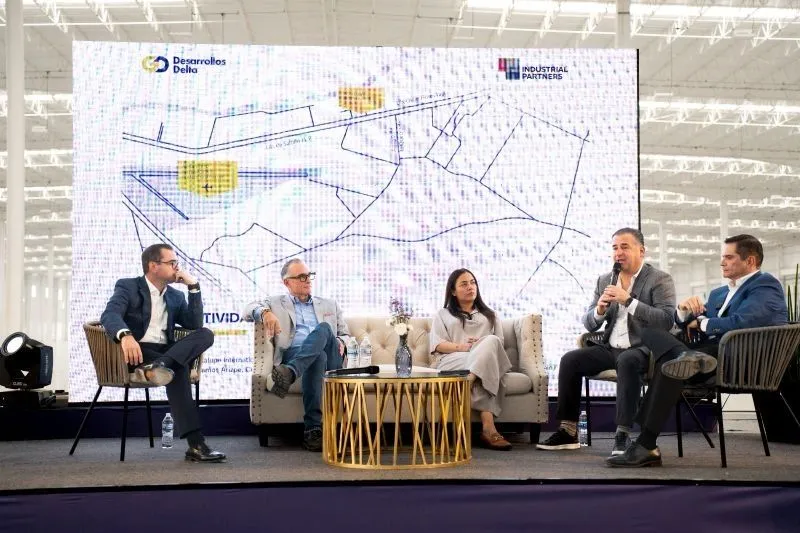
Nearshoring Is a Community Question
Nearshoring is driving significant demand for industrial space in Mexico. Manufacturing and logistics investment are expanding across the border region, bringing new jobs, new infrastructure requirements, and new pressure on housing.
The opportunity is enormous. So is the responsibility.
In their conversation, Fabiola describes the U.S./Mexico border through the lens of six mega regions, home to millions of people living and working across interconnected economies. These regions do not operate according to a single metropolitan planning organization. Two countries, multiple municipalities, different governance structures, and uneven public-sector capacity all shape the outcome.
That complexity makes collaboration essential.
Industrial sites are no longer simply places people pass through. They are increasingly places where people build their lives.
Workers want shorter commutes. Families want homes near employment. Communities need parks, sidewalks, shade, transit, lighting, and services. Developers need reliable infrastructure, predictable approvals, durable financing, and projects that perform over the long term.
These goals are not mutually exclusive.
They are the Triple Bottom Line in motion: financial performance, environmental responsibility, and social value reinforcing one another.
The question is not whether industrial development should grow. Growth is already happening.
The question is whether that growth will produce isolated job centers: or connected, resilient communities.
Where Art and Architecture Meet Equity
Marisol's background in architecture and urban design gives her a strong appreciation for form, function, and the power of a well-designed public realm.
Fabiola's experience as a visual artist pushes the conversation further. She sees design as a tool for visibility and participation. Art can help communities express identity, claim space, and make their priorities impossible to overlook.
Together, their perspectives expand the definition of industrial design.
A successful industrial project is not only efficient. It is legible, connected, safe, and responsive to its context. It understands that landscape design can reduce heat. That sidewalks can change access. That shade can make a public space usable. That transit connections can reduce household costs. That a park outside a fence can alter the relationship between a development and the community around it.
This is human-centered development with a balance sheet.
It is also a call for more women to shape the industry's future. Women bring expertise in finance, architecture, planning, policy, construction, investment, and community engagement. More importantly, women are expanding the definition of what success looks like in the built environment.
They are not simply entering the conversation.
They are changing the terms.
Stay Connected to the Movement
Listen to the August 10 conversation, share it with someone shaping the future of development, and join the Breaking Ceilings | Breaking Ground community.
We are standing up, buying in, and breaking ground: together.
A Personal Snapshot
- Marisol Chavez Valdes: architect, urban designer, industrial development leader, and community-park champion
- Fabiola Alvarez Yurcisin: urban planner, visual artist, systems thinker, and advocate for housing equity.
- Together: proof that the best places are built with both a sharp development strategy and a generous human imagination.