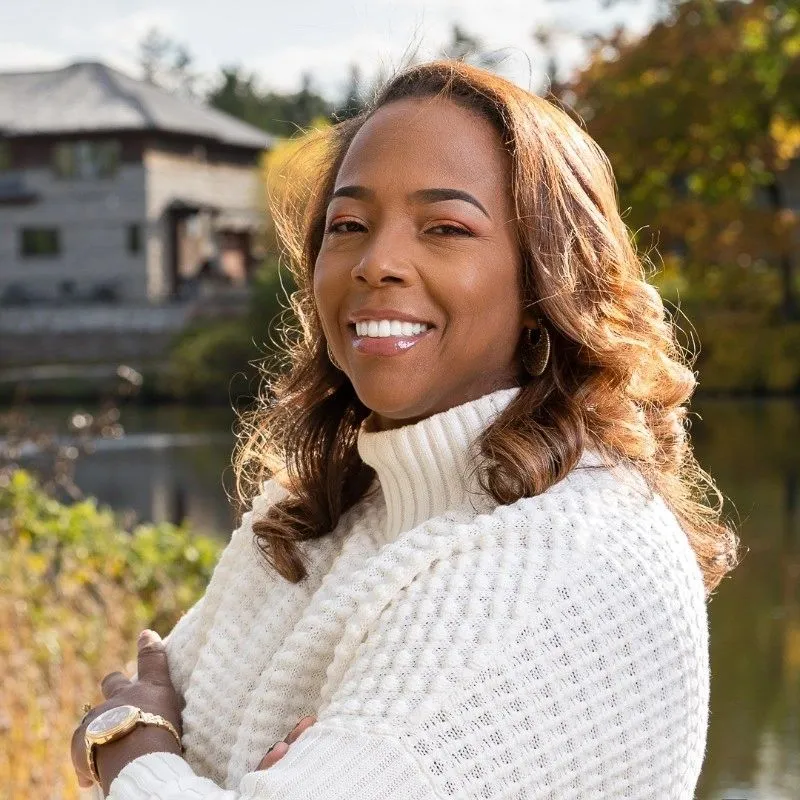
A Historic Building. A Determined Developer.
In Pontiac, Michigan, Casa del Rey is approaching its next chapter.
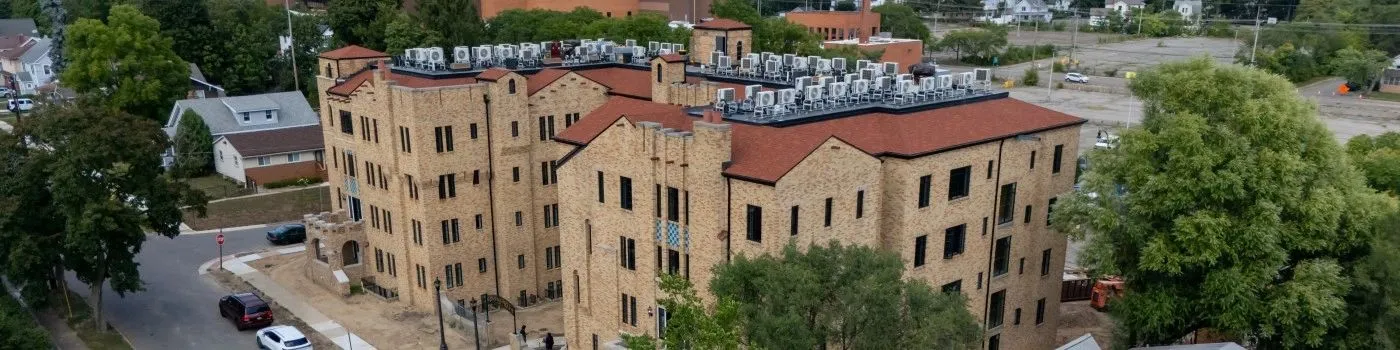
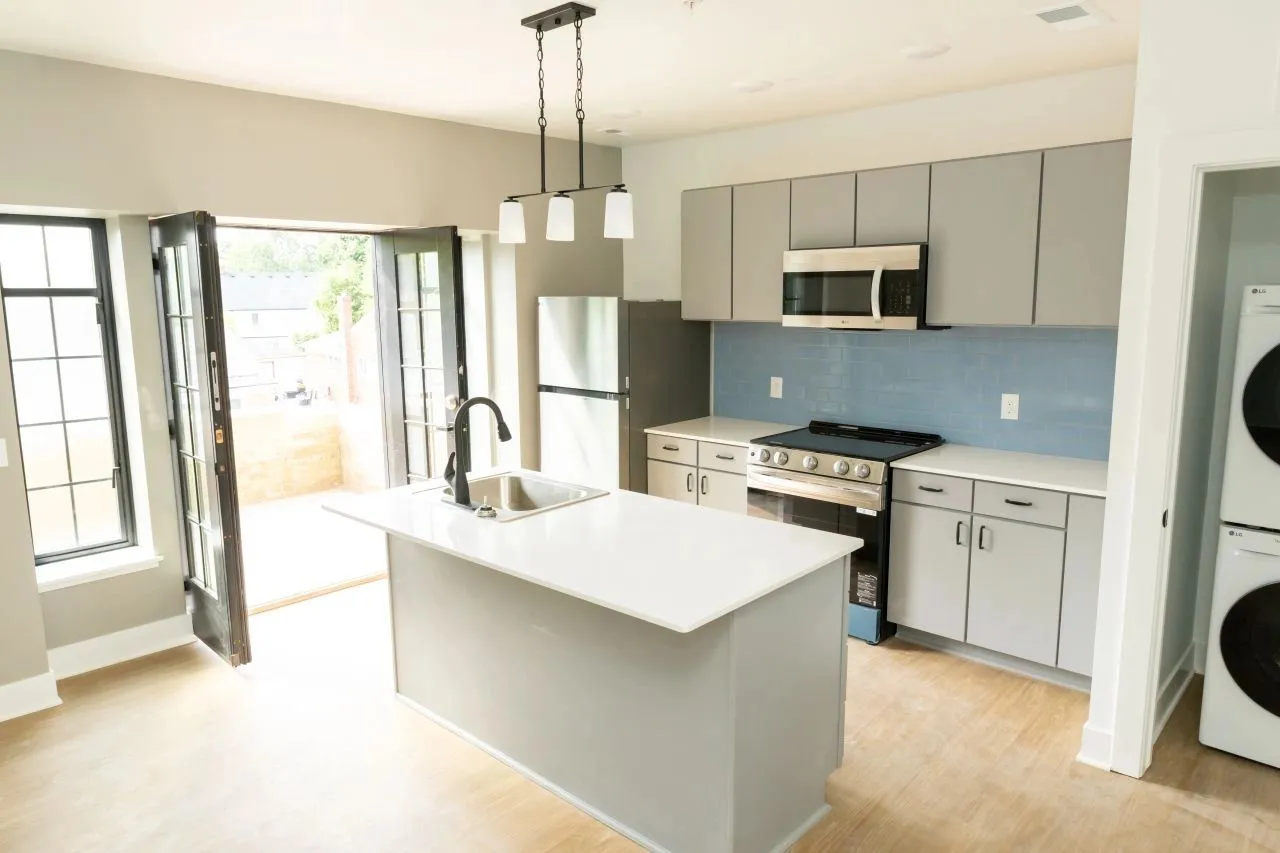
The nearly century-old, nationally registered historic building sat vacant for more than 20 years. Now, Ronita Coleman and her husband are bringing it back into service as a 54-unit apartment building for middle-income, working-class residents earning approximately 60%–120% of area median income.
At the time of Ronita’s conversation with Breaking Ceilings Breaking Ground, Casa del Rey was nearing completion and its ribbon cutting. The project is not just a redevelopment. It is a response to a hard question: What happens when a building has outlasted multiple plans, multiple attempts, and multiple rounds of uncertainty?
You keep working.
“It’s been a tough road, but we have been persistent and determined,” Ronita said.
That persistence is central to the mission of LJ Golden Realty, the Metro Detroit firm she co-founded with her husband. Their motto is direct: building for future generations.
The Persistence Builder
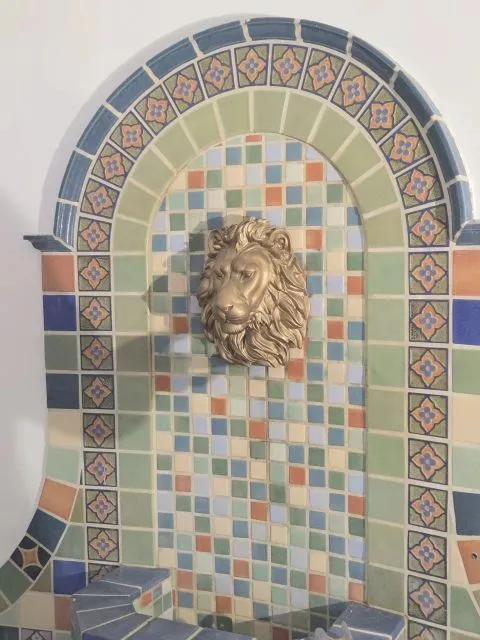
Many developers had looked at Casa del Rey and walked away. The building’s historic character was compelling, but the redevelopment challenge was substantial. Earlier efforts had left visible traces: partial HVAC work, penetrations through concrete walls, and unfinished attempts to solve the building’s infrastructure.
Ronita and her husband accepted the challenge because Casa del Rey needed a solution: and they believed they could help provide it. That is not the same as claiming they won a contest nobody else could finish. It is more grounded than that. Development is not a highlight reel. It is a sequence of decisions, risks, negotiations, revisions, and moments when the numbers, the schedule, and the vision all have to align.
Ronita calls persistence her superpower:
“The art of tenaciously chasing dreams, refusing to be deterred by obstacles and relentlessly
forging ahead until success becomes an inevitability.”
That definition has teeth. It is not passive optimism. It is disciplined movement through obstacles. From GM Executive to Developer Ronita spent 24 years at General Motors. She departed the company on November 15, 2024: the same day Casa del Rey broke ground.
The timing was meaningful. GM had given her experience and resources, but real estate development had become her deeper passion. Her entrepreneurial instincts started long before Casa del Rey. In Ronita’s family, side hustles and trades were part of the culture. If there was a problem, you solved it. If there was an opportunity, you found a way to pursue it.
As a GM executive, Ronita relocated for work and used real estate as a parallel path. She fixed and flipped foreclosed homes, often renovating properties she and her family would live in. After having her first child, the model changed. Ronita remembers feeding the baby while working on a job site and realizing that the pace was not sustainable. She moved from fix-and-flip to buy-and-hold, acquiring roughly eight to ten single-family homes on Detroit’s east side.
Then came the multiplier.
Scaling one property at a time could take years. Ronita recognized that commercial real estate offered the opportunity to grow the portfolio and expand the impact more efficiently.
“The only way to have a multiplier is to go commercial,” she explained.
The transition was harder than expected. Residential experience helped, but it did not eliminate the learning curve. Commercial development brought different lenders, equity partners, funding sources, operating assumptions, and closing conditions.
Ronita learned that firsthand when her first commercial deal fell apart at the closing table.
“I almost felt defeated. Almost,” she said.
She kept the property. It is now a roughly 13-unit mixed-use building in Detroit. And if she could go back? She would change nothing.
Every challenge taught her how to handle the next one.
The Capital Stack Needs Alignment
Casa del Rey also taught Ronita a fundamental development lesson: capital stacks move when the stakeholders share a vision. Municipalities, agencies, lenders, funders, and development partners all need to understand the problem being solved and the value being created. Without alignment, the financing conversation becomes a relay race where every participant waits for someone else to run first.
That chicken-and-egg dynamic is familiar to emerging developers. One funder may want another funder committed first. A lender may need stronger evidence of municipal support. A public agency may need to see that the project is financially viable.
Timing matters. So does trust.
Casa del Rey had several elements working in its favor: its national historic registration, its location in a historic district, its proximity to downtown Pontiac, and the broader resurgence underway in the city. The building mattered to residents, public agencies, preservation advocates, and funders.
Successful projects often meet multiple needs at once. The developer is not simply asking for capital. The developer is solving a community problem, advancing a public priority, and creating an asset that partners want to champion.
That is the Triple Bottom Line in practice: people, place, and financial performance moving in the same direction.
Community Is Part of the Underwriting
Ronita has a clear message for developers entering a new market: do not arrive with a finished answer and expect the community to applaud.
“People wear their communities on their sleeves,” she said.
When developers appear before city council or meet with residents, they are stepping into years: sometimes decades: of local experience. People know what has been promised. They know what has been neglected. They understand how previous decisions have shaped their neighborhoods.
The developer’s job is to listen before attempting to fix.
Ronita believes communities need to see that a project is designed to serve residents, not simply “make a book.” That means explaining how the development will improve quality of life, reduce blight, restore activity, and provide housing that works for the people who live there. Community engagement is not a public-relations accessory. It is part of the development strategy.
Accessibility Is Personal
Ronita’s approach to housing is shaped by the people she loves.
Her parents are retired and living on fixed incomes. Her late grandmother was blind and lived independently until age 86, supported in part by a bus stop and an accessible built environment. Ronita also has a cousin who uses a wheelchair.
Those experiences inform the questions she brings to every project:
• Is it ADA accessible?
• Is it affordable?
• Is it walkable?
• Is it “busable”?
These are not abstract planning terms. They are measures of independence, dignity, and daily comfort.Ronita rejects the idea that affordability should mean a lower standard of living. Everyone deserves quality housing and a quality of life: not only residents who can pay market-rate rent.
That is the fingerprint she wants to leave on her projects: comfort.
Sustainability Beyond the Building
For Ronita, building for future generations includes environmental responsibility, but it does not stop there.
She is thinking about energy efficiency that can lower tenant utility costs, water conservation, rooftop gardens, and the potential use of wind turbines in future projects. These are ideas under consideration for the broader pipeline, not claims that every feature has been implemented at Casa del Rey.
The point is forward motion.
A sustainable building should support healthier lives, stronger household economics, and a more resilient environment. That means examining both operating costs and long-term community value.
Ronita is also watching the role of artificial intelligence in development, particularly in pre-development and, eventually, the development process itself. The tools will change. The fundamentals remain: understand the need, build the right team, align the capital, and deliver for the community.
Find Your People. Then Give Back.
Ronita credits the Women’s Sustainable Development Initiative, or WSDI, with helping her move from the idea stage toward financing. The organization provided education, connections, and a community of developers at different stages of their careers.
She described WSDI as the core of her “dream team.”
She has also continued developing her own leadership capacity through opportunities such as Larson’s Leaders through the Urban Land Institute. Her advice is practical: find aligned people, keep learning, and do not forget the roots that helped you grow.
Then extend that support to someone else.
That is how an industry changes. Not through isolated success, but through shared knowledge, stronger networks, and more women gaining access to the mechanics of development: entitlements, financing, construction, operations, and long-term ownership.
Faith, Progress, and the Win in Front of You
Persistence has carried Ronita through difficult deals. Over time, she says faith became another superpower. She draws strength from the belief that faith is “the substance of things hoped for, the evidence of things not seen.”
Development requires that kind of vision. A vacant building must first be imagined as a home. A stalled project must be seen as a future asset. A capital stack must be assembled before it exists.
But, make sure to celebrate the progress already achieved. That matters. The next project can demand attention so loudly that it drowns out the significance of the current one.
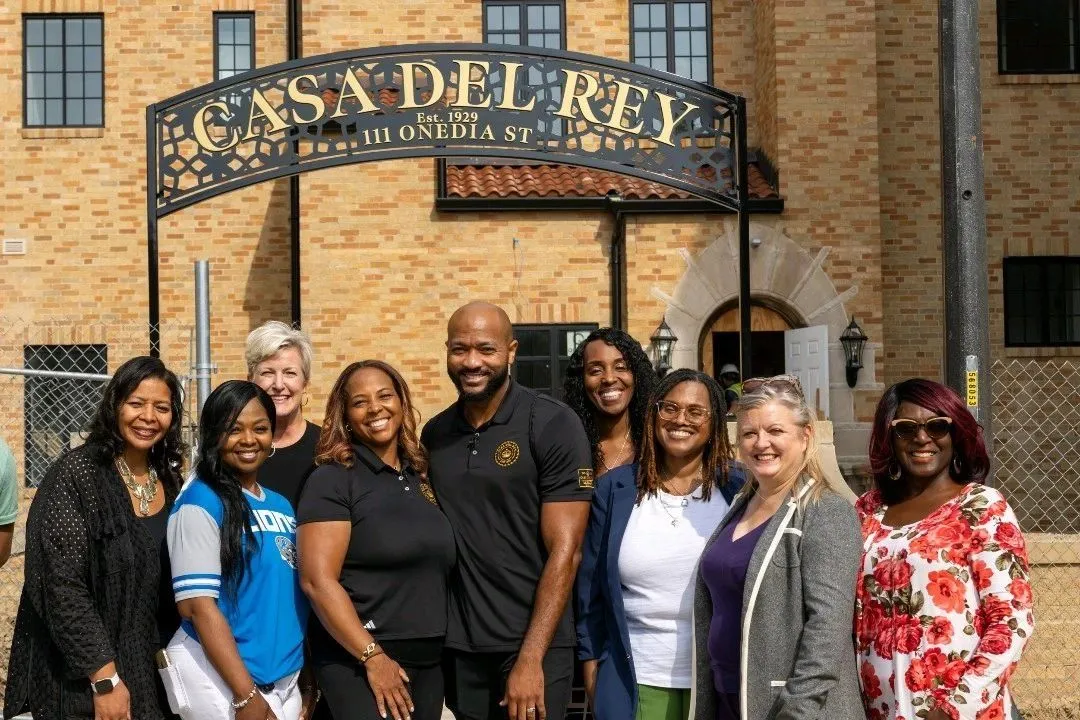
Casa del Rey recently had its ribbon cutting.
A Detroit mixed-use building is moving forward.
The portfolio is multiplying.
The dream is no longer theoretical.
Building for Their Children: and Ours
Ronita and her husband are parents to an eight-year-old daughter and, at the time of the recording, a three-month-old son. They are building for their children. They are building for their parents. They are building for residents who need housing that is accessible, affordable, walkable, and dignified.
And they are building for the communities they serve.
This conversation will become part of the larger story captured through the Breaking Ceilings Breaking Ground podcast and upcoming book, a growing record of women who are not waiting for permission to shape the built environment.
They are standing up, buying in, and breaking ground.
Connect With Ronita
Find Ronita Coleman on LinkedIn by searching her name.
Connect with LJ Golden Realty by searching for the company on Facebook and Instagram. The firm is currently seeking funders and capital partners for pipeline projects.
Stay connected to Breaking Ceilings Breaking Ground and join the movement celebrating women who are building what comes next.